
Note: This post contains affiliate links. If you use these links to buy something, we may earn a commission.
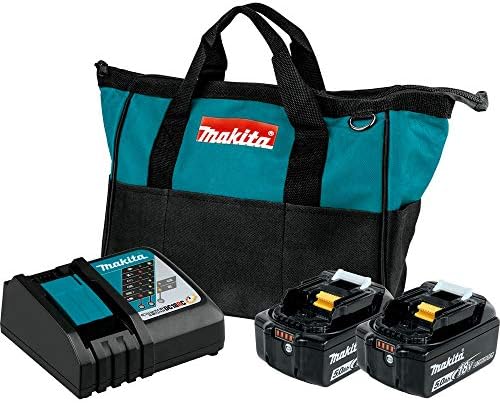
When buying a battery, you see a number on the side: 2.0Ah, 4.0Ah, 5.0Ah, or massive 12.0Ah.
Most people think this is just “Runtime.”
- Thinking: “A 4.0Ah battery runs twice as long as a 2.0Ah battery.”
This is only half the truth. The secret that manufacturers don’t tell you is that Amp Hours = Horsepower.

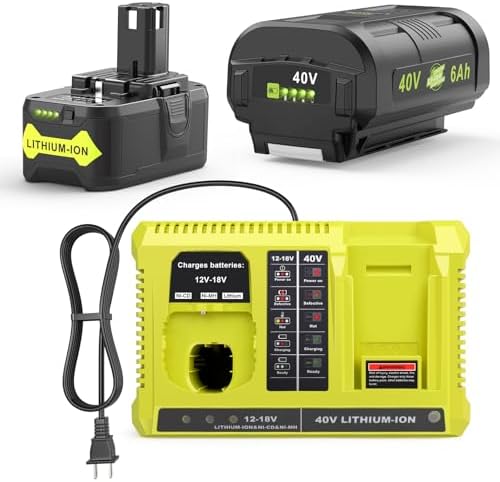
The “Gas Tank” Analogy
Imagine your battery is a gas tank feeding a car engine (the tool).
- 2.0Ah Battery: This is a lawnmower gas line. It trickles fuel. If you run a small drill, it’s fine. If you try to run a massive table saw, the line can’t feed fuel fast enough. The saw stalls.
- 5.0Ah Battery: This is a fire hose. It can dump massive amounts of fuel into the engine instantly.
Why Size Matters (Voltage Sag)
When you push a tool hard (like cutting wet lumber), it gets hungry. It screams for power.
- A Small Battery (2.0Ah) physically cannot release energy fast enough. The voltage drops (sags), and the tool feels weak.
- A Big Battery (5.0Ah+) has more cells working together. It maintains high pressure even under load.
The “Sweet Spot” Buying Guide
- 2.0Ah (Compact): Buy these for Impact Drivers and Flashlights. They are light and save your wrist.
- 4.0Ah / 5.0Ah (XC / XR): The standard. Put these on your Circular Saws, Angle Grinders, and Hammer Drills.
- 8.0Ah / 12.0Ah (High Output): Only buy these for Table Saws, Miter Saws, or Leaf Blowers. They are too heavy to hold on a drill.