

Affiliate Disclaimer: This post contains affiliate links. If you buy through these links, we may earn a small commission at no extra cost to you. As an Amazon Associate, we earn from qualifying purchases.
Both are budget-focused, homeowner-friendly brands — but Ryobi and Black+Decker serve very different needs in the US market. Ryobi dominates value DIY ecosystems. Black+Decker dominates ultra-cheap, casual-use tools.
⚡ Quick Takeaway
- Ryobi (Home Depot + Amazon) = Best value + huge ONE+ ecosystem
- Black+Decker (Walmart + Amazon) = Cheapest entry-level tools for occasional home use
Choose Ryobi if you want future expansion.
Choose Black+Decker if you want the absolute cheapest tool for basic tasks.


🧩 Brand Personality Snapshot
Ryobi → “Value + Ecosystem + Upgrade Path”
- ONE+ 18V ecosystem with 300+ tools
- Impact drivers and drills strong enough for real DIY
- Great pricing at Home Depot
- Solid battery platform longevity
- Perfect for homeowners who want to build a tool collection over time
Black+Decker → “Cheap, Simple, Occasional Use Only”
- Lowest prices in the mainstream market
- Lightweight, easy to use
- Great for flat-pack furniture, light drilling
- Limited ecosystem + lower torque
- Best for small jobs, not renovation
⚙️ Side-By-Side Comparison
| Feature | Ryobi (USA) | Black+Decker (USA) |
|---|---|---|
| Performance | ⭐⭐⭐⭐ | ⭐⭐ |
| Build Quality | ⭐⭐⭐½ | ⭐⭐½ |
| Price | $ | $ (cheapest) |
| Ecosystem Size | ⭐⭐⭐⭐⭐ | ⭐⭐ |
| Battery Platform | ONE+ (18V) | 20V Max |
| Best For | Homeowners, DIY renovation | Basic household tasks |
💥 Strengths & Weaknesses
Ryobi – Strengths
- Best price-to-performance ratio in the US
- ONE+ battery works across indoor + outdoor tools
- Available everywhere via Home Depot & Amazon
- Strong enough for real DIY (decking, fencing, small builds)
- Massive accessory and tool availability
Ryobi – Weaknesses
- Not pro-grade like Milwaukee/DeWalt
- Impact drivers are loud
- A few tools feel plasticky
- Some drills lack the finesse of Makita or Bosch
Black+Decker – Strengths
- Cheapest major brand in the US market
- Perfect for very light home use
- Lightweight and beginner friendly
- Commonly sold in low-cost bundles at Walmart, Amazon, Target
- Great “first drill” for non-DIYers
Black+Decker – Weaknesses
- Limited torque
- Weak chuck grip
- Slow chargers, low-capacity batteries
- Small ecosystem with fewer upgrade options
- Not suitable for construction, framing, or decking
🔍 Real-World Use Cases
Choose Ryobi if you:
- shop at Home Depot
- want a tool platform to build on
- do moderate DIY: shelves, studs, drywall anchors, deck repairs
- want battery flexibility across inflators, sanders, lawn tools
- need more torque than the cheapest drills provide
Choose Black+Decker if you:
- only need a drill a few times a year
- want the cheapest option that still works
- mostly assemble furniture, hang pictures, or drill pine
- don’t plan to expand into a larger tool ecosystem
🛠️ Recommended Models
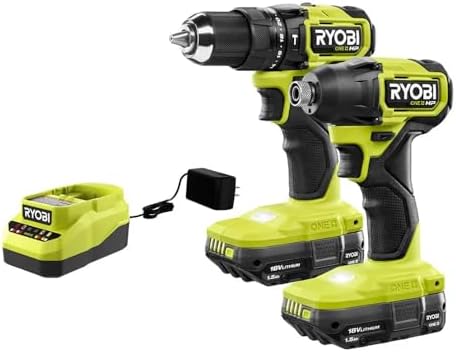
⭐ Ryobi Picks
Ryobi ONE+ 18V Cordless 1/2″ Drill/Driver (P215K)
- Best starter kit for the money
- Includes battery + charger
- Great torque for household and light renovation
Ryobi ONE+ HP Brushless 18V Drill/Driver (PSBDD01B)
- Brushless upgrade
- More runtime and power
- A clear “best value” mid-range tool in the US market

⭐ Black+Decker Picks
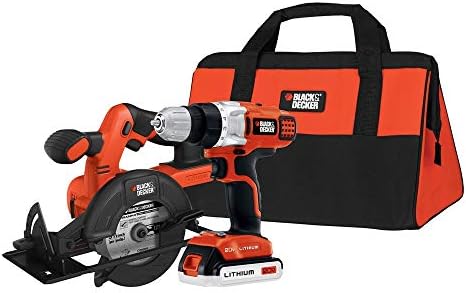
Black+Decker 20V Max Drill/Driver (LDX120C)
- One of the most popular budget drills in America
- Very lightweight
- Perfect for everyday chores, basic drilling, and furniture assembly
Black+Decker 20V Max Matrix System
- Interchangeable heads (drill, sander, jigsaw, router)
- Great for people who want a cheap all-in-one tool
- Not powerful, but very flexible for beginners

🎯 Final Verdict
- Pick Ryobi if you want the best long-term value and a huge ecosystem.
- Pick Black+Decker if you want the cheapest lightweight drill for occasional use.
Ryobi = the USA “value ecosystem”.
Black+Decker = the USA “entry-level casual-use” choice.